How Current Transformers Improve Electrical Monitoring and Protection

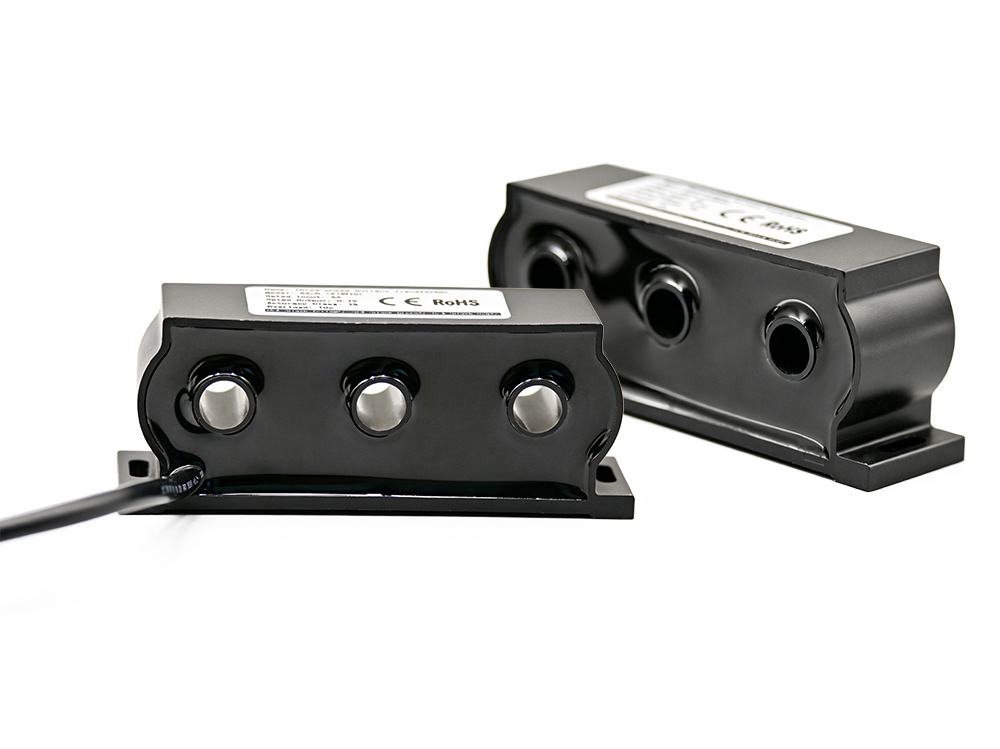
Current transformers (CTs) help electrical systems measure large currents safely and accurately. By converting primary current into a smaller, proportional secondary signal, they allow meters, monitoring systems, and protective relays to track electrical performance without being connected directly to high-current conductors.

From industrial switchgear to commercial buildings, current transformers support two important goals: better visibility into electrical system performance and faster response to abnormal conditions.

What Is a Current Transformer?

A current transformer is an instrument transformer designed to produce a secondary current proportional to the current flowing through its primary conductor.

For example, a CT with a ratio of 200:5 is designed to produce a nominal 5 A secondary current when the primary current is 200 A. The connected meter or relay uses this secondary signal to measure or monitor the circuit.

CTs are commonly used in:

  • Power distribution panels and switchgear
  • Industrial machinery and motor circuits
  • Energy monitoring systems
  • Commercial building electrical systems
  • Generators and transformers
  • Protective relays and electrical control equipment

How Current Transformers Improve Electrical Monitoring

1. Make Large Currents Easier to Measure

Many electrical systems carry more current than a meter can measure directly. A CT scales the current down to a level compatible with measuring equipment.

This allows engineers and operators to monitor high-current circuits while keeping the measurement equipment electrically separated from the primary conductor.

2. Support Real-Time System Visibility

When connected to a meter or monitoring system, a CT provides current data that can help operators understand how electrical loads are behaving.

Depending on the equipment used, current measurements can help teams:

  • Track load levels across circuits
  • Identify overloaded or lightly loaded equipment
  • Compare current use between phases
  • Monitor motors and other high-current loads
  • Review changes in demand over time

This information can support day-to-day operation, maintenance planning, and electrical system analysis.

3. Help Identify Abnormal Operating Conditions

Current readings can reveal changes that may need investigation. For example, an unexpected increase in current could indicate a changing load, equipment fault, or developing mechanical problem. Uneven phase currents may point to an imbalance that requires further inspection.

A CT does not diagnose the cause by itself. It provides a current signal that meters, monitoring systems, or personnel can use to spot unusual conditions and decide what to check next.

4. Enable Energy and Power Measurement

A CT can supply current data to compatible power meters and energy monitoring equipment. When combined with voltage measurements, the system can calculate values such as power and energy consumption.

This helps facility teams understand where electricity is being used and compare usage across equipment, circuits, or areas of a site.

How Current Transformers Support Electrical Protection

1. Provide Current Signals to Protective Relays

Protective relays use current transformer signals to monitor circuit conditions. If current exceeds a configured threshold or meets another defined fault condition, the relay can send a trip command to a circuit breaker.

This can help isolate a faulted section and limit the impact on the rest of the electrical system.

2. Help Detect Overcurrent and Fault Conditions

Overcurrent protection is designed to respond when current exceeds expected limits for a particular circuit. CTs provide the current input that compatible relays need to detect these conditions.

The CT and relay must be selected together for the intended protection function. Selection should account for current range, fault levels, relay requirements, accuracy, and other system ratings.

3. Support Equipment and System Protection

By providing current information to protection devices, CTs can be part of a system designed to protect cables, transformers, motors, generators, and other electrical equipment.

The protection scheme’s effectiveness depends on the complete system, including CT selection, relay settings, circuit breakers, wiring, and commissioning.

4. Allow Monitoring and Protection to Share Measurements

Some installations use CT signals for both monitoring and protection. This can help combine operating data with protective functions, provided the CT design, secondary circuits, burden, and connected devices are suitable for the application.

For demanding installations, separate CT cores or dedicated CTs may be used for metering and protection so each function can meet its requirements.

Choosing a Current Transformer for Monitoring and Protection

The right CT depends on the circuit, the connected equipment, and the purpose of the measurement. Consider these factors:

  • Primary current rating: Match the CT to expected operating current and foreseeable overloads.
  • Secondary output: Confirm compatibility with the meter, relay, or monitoring system.
  • Accuracy requirements: Select an accuracy class appropriate to the metering or protection task.
  • Burden: Account for the combined load of connected devices and secondary wiring.
  • Fault performance: For protection applications, verify the CT’s ratings and behavior under expected fault conditions.
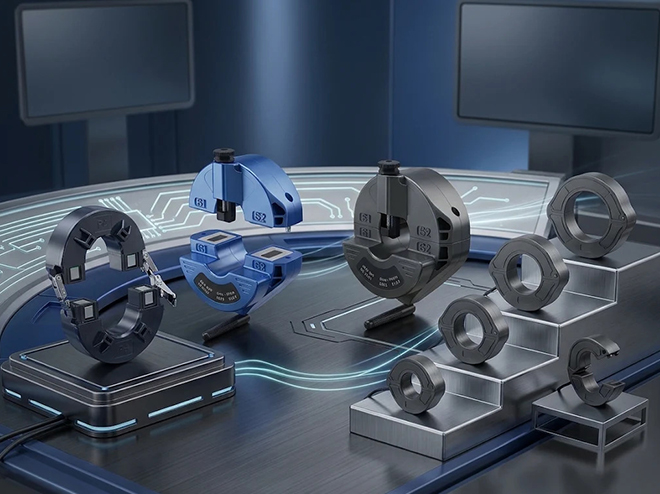
  • Installation type: Choose a suitable solid-core, split-core, bar-type, or other mounting style.
  • System ratings: Check frequency, insulation level, voltage, and applicable standards.
  • Environment: Consider temperature, humidity, vibration, dust, and available space.

A CT chosen only by its current ratio may not perform as needed. Check the complete specifications and the requirements of the equipment it will connect to.

Installation and Safety Considerations

Current transformers should be installed by qualified personnel in line with the manufacturer’s instructions and site safety procedures.

The CT secondary circuit requires particular care. An energized CT secondary should not be left open-circuited. An open secondary can produce a hazardous voltage and may damage the CT. Follow the manufacturer’s shorting and connection procedures when installing or servicing CT circuits

Conclusion

Current transformers improve electrical monitoring by making large currents measurable and providing useful data to meters and monitoring systems. They support electrical protection by supplying current signals to relays that can detect defined fault conditions and initiate circuit isolation.

To achieve reliable results, select the CT for its complete application: measurement range, output, accuracy, burden, fault requirements, installation, and environment. Properly matched and installed CTs help give operators clearer system information and support the wider electrical protection scheme.

View More

About Us

Jiangyin Yucheng Electric, Jiangsu, China, makes current sensors and smart meters for global power and industrial applications, offering reliable, high-accuracy, standards-compliant solutions.

Contact Info

No.5 Tongxin Road, Qingyang Town,Jiangsu,China